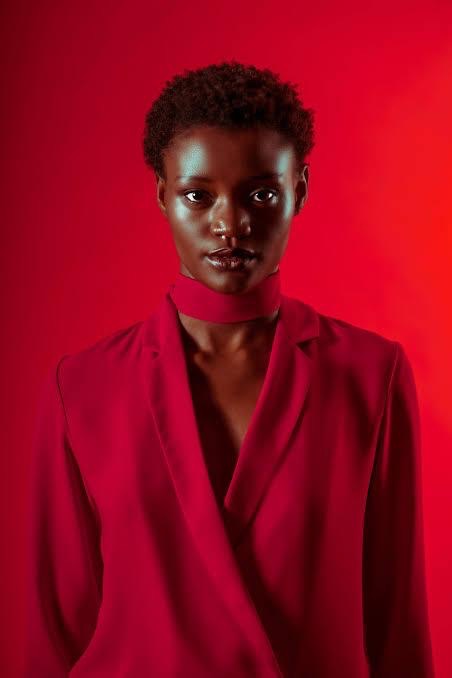
By Sogunro Clara
Fashion is an evolving form of self-expression that has penetrated our daily lives, bringing more clothing choices to become a reflection of culture, identity, and individuality.
Fashion, throughout history, has mirrored societal norms and values. It has been a canvas for rebellion or conformity. Whether it’s the flapper dresses of the 1920s, the bell-bottoms of the 1970s, or the minimalist styles of the 21st century, fashion has been a powerful communicator.
Moreover, the fashion industry is an economic powerhouse, shaping global trends and contributing significantly to various economies. It influences not only what we wear but also the jobs we create and the environmental impact we have.
Fashion’s role in personal identity is undeniable. People use clothing to express their personalities, tastes, and beliefs. It empowers individuals to feel confident and unique.
However, the fast fashion industry has been criticized for its environmental footprint and labor practices. However, over time calls for sustainable, ethical fashion have gained momentum, emphasizing the need for responsible consumption.
In conclusion, fashion is more than just attire; it’s a reflection of our culture, an economic force, a personal identifier, and a global conversation. As we navigate the complex world of fashion, it’s essential to strike a balance between personal expression, industry responsibility, and environmental sustainability.
 Site Title